Cowboy Riding Horse Vector Review: A Design with Character
When I first opened the Cowboy Riding Horse Vector, it was clear this wasn’t just another generic design pulled from a template. As an experienced embroidery designer and product reviewer, I look for more than just visual appeal—I assess how well a design translates to real-world stitching and what kind of impact it will have on the final product.
First Impressions: Bold and Classic
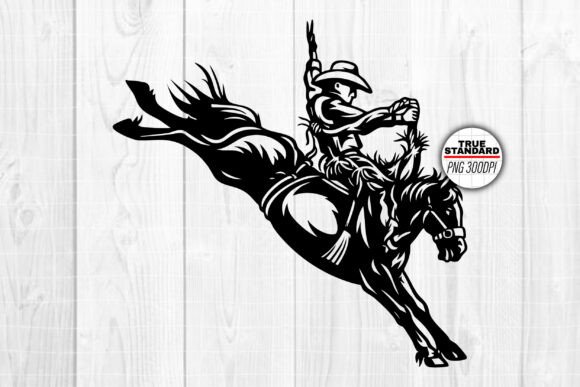
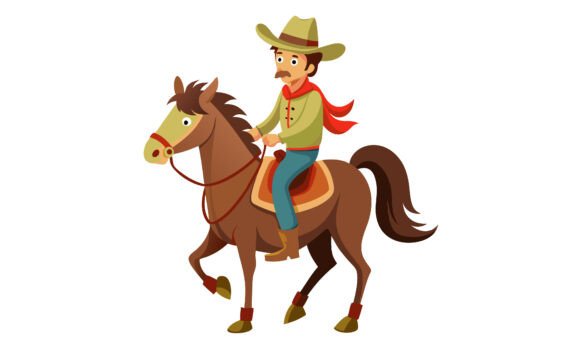
The Cowboy Riding Horse Vector exudes a rugged, Americana vibe that’s both nostalgic and stylish. The layout is clean but detailed enough to feel authentic. The horse is strong in silhouette, and the cowboy figure adds personality without being too intricate. This is the kind of design that immediately suggests itself as a great fit for custom apparel, especially if you're aiming for a western or country-themed aesthetic.
From a visual standpoint, the balance between negative and positive space is excellent. It’s not overly dense, which means it should stitch well without requiring excessive thread or tension adjustments. However, the level of detail does mean some areas may need attention when selecting your fabric and stabilizer.
Theme and Mood
This vector has a bold yet timeless feel. The cowboy riding into the horizon brings a sense of adventure and freedom—perfect for personalized gifts or handmade products where storytelling matters. It works well in both monochrome and multi-color versions, though the original design leans heavily on outlines and minimal fill, giving it a slightly modern twist on a classic motif.
Real-World Use Scenarios
I’ve used similar designs in sweatshirt embroidery projects for boutique clients, and the Cowboy Riding Horse Vector fits right in. Its scale makes it ideal for a chest placement on a hoodie or jacket. It also looks sharp on tote bags, where a larger format can really shine. For a tote bag design, the horse’s motion adds visual interest that draws the eye and gives the product a unique identity.
In custom apparel like t-shirts or baby clothes, the design needs to be scaled appropriately. On a baby onesie, a smaller version could work beautifully as a playful, thematic element. But keep in mind that small-scale details might get lost on stretchy or thin fabrics. That’s something to test before committing to a production run.
As an embroidered patch, this design could be stitched onto denim jackets, backpacks, or even leather goods. The vector lines lend themselves well to satin stitch outlines, while the simpler interior areas can handle fill stitches or even running stitch for a bolder effect. Just make sure the fabric texture allows for smooth stitch flow—textured materials like canvas or flannel might require extra stabilizer.
For holiday gifts or nursery decor, the design offers a touch of rustic charm. Imagine an embroidered pillow cover or wall hanging featuring the cowboy and his steed—it would add character and warmth to any room. In these applications, the mood of the design really comes through, making it a strong candidate for handmade products that are meant to tell a story or evoke emotion.
Where to Use It Carefully
While the Cowboy Riding Horse Vector is versatile, there are a few scenarios where caution is needed:
- Small hoop sizes: If you’re planning to use this on a cap or hat, consider simplifying the design or using only a portion of it. The full image requires a decent amount of space to maintain clarity and avoid distortion.
- Stretchy or thin fabric: The design’s line weight and density may cause puckering or pulling if not properly stabilized. Always do a test stitch on a scrap piece of your target material.
- Dense stitch areas: While the overall design isn’t overly packed, certain parts—like the saddle or the cowboy’s boots—might have tighter stitch patterns. These can become problematic if the fabric isn’t prepped correctly.
- Dark fabric backgrounds: The contrast of the design may not pop as well on darker materials. You’ll want to choose thread colors carefully or consider using white or light-colored threads to enhance visibility.
- Products needing frequent washing: Dense stitch areas can trap lint or wear over time. If this design is going onto items like aprons or tea towels, plan for occasional maintenance or opt for a less dense version.
Design Impact on Finished Products
One of the things I appreciate about the Cowboy Riding Horse Vector is its ability to elevate the visual appeal of almost any project. Whether it's a sweatshirt embroidery or a commercial embroidery item for a client, this design brings a sense of professionalism and quality. It doesn’t scream “cheap,” and that subtle confidence can translate directly into customer trust.
As an embroidery file, it’s easy to edit and customize. Adding names, dates, or other text elements around the design is straightforward, which is great for personalized gifts or Etsy sellers who offer bespoke options. The simplicity of the layout ensures that additional text won’t clash visually, maintaining a cohesive look.
Its adaptability across various formats—from digital embroidery files to printable mockups—makes it a solid choice for both personal and business use. If you’re part of a craft business or selling small shop products, having a design that works across multiple platforms and applications is a major plus.
Stitch Clarity and Presentation
On lighter-weight cottons or quilting fabrics, the Cowboy Riding Horse Vector stitches cleanly and maintains its shape well. The outlines are crisp, and the fill areas are consistent. When viewed up close, the stitching holds together nicely, with no obvious gaps or misalignment. That said, if you're using it on a curved surface like a cap, expect some minor distortion unless you manually adjust the curves in your software.
For those who create design assets for resale, this file could be a valuable addition to a themed collection. Its recognizable imagery and clean structure support brand consistency, especially if you’re focusing on western, country, or outdoor themes. It’s also useful for digital product previews, helping buyers visualize how their chosen embroidery will look before they commit to a purchase.
Designer Notes for Practical Application
Before diving into production with the Cowboy Riding Horse Vector, here are a few tips from my experience:
- Test on scrap fabric first: Especially if you’re planning to use it on a stretchy or textured material. This helps catch potential issues early.
- Check thread color contrast: Don’t assume the default colors will work best. Try different combinations to see what pops most on your chosen fabric.
- Review stitch density: Some areas may require a looser or denser setting depending on the fabric and machine you’re using.
- Confirm hoop size requirements: While exact specifications aren't listed, I recommend checking your machine’s maximum hoop size to ensure proper scaling.
- Inspect small details: The cowboy’s spurs and the horse’s mane show off the design’s personality, but they may need extra care when editing or resizing.
- Use proper stabilizer: Especially for delicate or stretchy materials. Tear-away alone might not be enough for long-term durability.
- Test in black and white: Sometimes, the subtleties of a colored design don’t come through in embroidery. Seeing it in grayscale can help you decide on thread choices.
- Compare light and dark fabric backgrounds: The design’s visibility can vary significantly depending on the base color of the garment.
- Check whether it works for both personal and commercial projects: If you're planning to sell finished items or digital files, always verify licensing terms before listing them.
A Designer’s Takeaway
The Cowboy Riding Horse Vector is a standout in the world of machine embroidery designs. It’s not just about the visual—it’s about how the design behaves under the needle, how it responds to edits, and how it contributes to the overall value of the finished product.
What impresses me most is how it maintains its character across different applications. Whether it's stitched on a pillow cover or added as a decorative accent to a custom apparel piece, the design retains its essence. That’s rare in the Graphics category, where many vectors fall flat once applied to fabric.
As someone who often reviews embroidery designs for real project use, I can say this one belongs in your library if you're working within the Crafts space. It’s not perfect for every scenario, but when used thoughtfully, it can become a signature element in your handmade product offerings or small business merchandise.
If you're an embroidery designer looking to add depth and character to your next project, or an apparel decorator wanting to stand out at a craft fair, give this design a try—but remember to test, adjust, and stabilize as needed. With the right preparation, the Cowboy Riding Horse Vector can become a reliable asset in your creative toolkit.