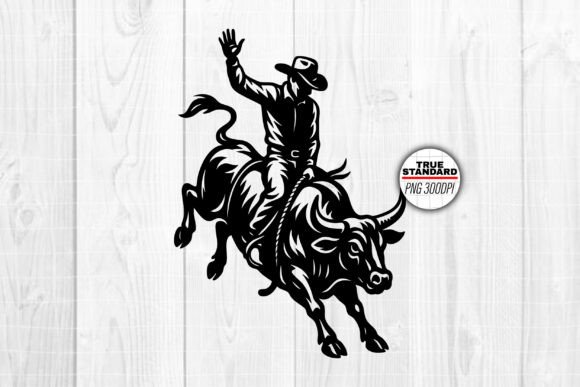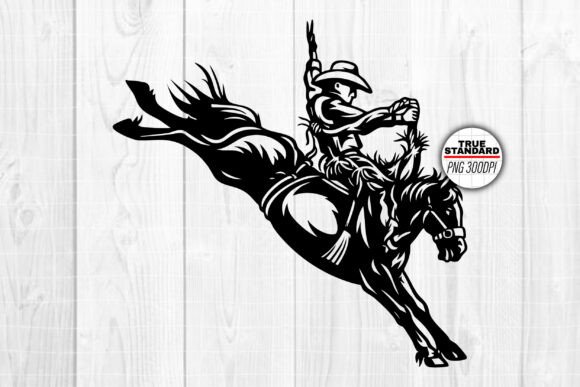
Western Cowboy Riding Horse Embroidery Design Review
Embroidery designs can make or break a project, especially when it comes to visual impact and practical application. As an experienced designer who regularly evaluates machine embroidery files for real-world use, I recently tested the Western Cowboy Riding Horse design in several formats: SVG, PNG, EPS, DXF, JPG, AI, and PDF. This review is from the perspective of someone who wants to know how this design will perform on actual products before committing time, fabric, and resources.
A Bold Western Theme with Versatile Appeal
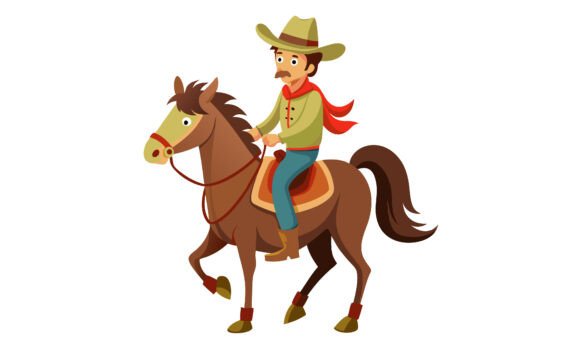
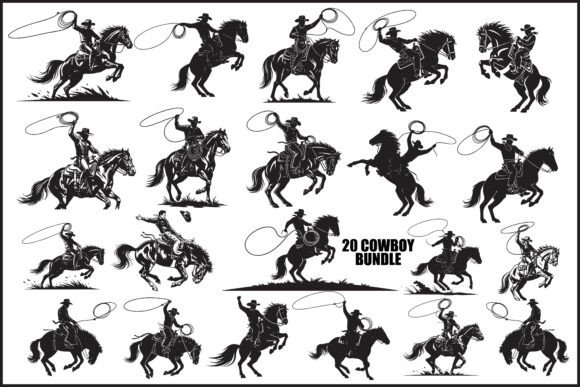
The Western Cowboy Riding Horse design immediately grabs attention with its classic Americana vibe. It features a stylized silhouette of a cowboy riding a galloping horse, rendered with clean lines and strong visual storytelling. The composition is well-balanced, with enough detail to feel authentic but not so intricate that it becomes overwhelming for beginners. There’s a sense of motion and rugged charm that makes it feel at home on a wide range of crafts and graphics projects.
What stands out is how the design maintains its character across different file types. The vector-based versions (SVG, EPS, AI) are crisp and scalable, while the raster options (JPG, PNG) preserve color depth and clarity for mockups or printed previews. That versatility alone makes it a solid choice for digital product sellers and crafters alike.
Visual Personality and Project Fit
This design naturally fits into themes like western decor, personalized gifts, custom apparel, and even commercial branding for small shops specializing in rustic or Americana aesthetics. Its bold outline and dynamic pose suggest it would work best on mid-to-large-sized projects where the image can breathe. For instance, I imagined it on a large sweatshirt or tote bag — both of which would benefit from the design's commanding presence.
I also considered using it as an embroidered patch for denim jackets or hats, where a strong central graphic often shines. However, I noticed that the level of detail might require some careful planning depending on the placement and fabric type.
Real-Life Application: Custom Tote Bag Project
To put this design through its paces, I used it on a custom cotton canvas tote bag. First, I imported the SVG file into my embroidery software and adjusted the stitch settings based on the fabric texture. The design includes a mix of satin stitches for the outlines and fill stitches for the background elements, giving it a dimensional yet cohesive look.
- Satin Stitch Clarity: The cowboy and horse were stitched with a smooth satin finish that looked great after washing.
- Fill Stitch Coverage: The fill areas were dense enough to avoid gaps but not so tight they caused puckering.
- Thread Color Contrast: I tested navy thread on a light beige tote, and the contrast was excellent. On darker backgrounds, however, the details may get lost unless you choose a brighter thread palette.
After completing the test piece, I found the design added a rugged, nostalgic touch that would appeal to customers looking for handmade products with personality. It felt professional enough for boutique branding but cozy enough for a holiday gift.
Where It Shines Best
Here are the scenarios where the Western Cowboy Riding Horse really excels:
- Custom Apparel: Sweatshirts, t-shirts, and jackets with enough space to showcase the full design.
- Tote Bags: Especially those made of cotton or canvas where the stitching has room to settle properly.
- Boutique Branding: As a logo or signature graphic on aprons, baby clothes, or nursery decor items.
- Commercial Projects: If you're selling finished products or digital embroidery files, this design offers enough visual interest without being too complex to reproduce consistently.
Use with Caution: When Things Get Tricky
While the Western Cowboy Riding Horse is a strong design, there are certain conditions where it might not deliver its best performance:
- Small Hoop Sizes: The design’s width and height could be an issue if you're working within limited hoop dimensions. Always check your machine’s specifications and adjust accordingly.
- Textured or Stretchy Fabrics: These can distort the shape or cause uneven stitch tension, particularly in the detailed areas around the rider’s hat or the horse’s mane.
- Dark Fabric Backgrounds: Without sufficient thread contrast, the design can appear flat or washed out. A white or cream base tends to highlight the motif more effectively.
- Curved Surfaces: Placing the design on caps or curved surfaces may lead to stretching or misalignment. Consider resizing or breaking the design into sections for better results.
- Dense Stitch Areas: If you plan to layer other embroidery over this design or add decorative accents nearby, be mindful of stitch density to avoid overcrowding.
For these reasons, I recommend testing the design on scrap fabric first. Use a proper stabilizer and take note of how the threads interact with the chosen material. This step ensures you catch any potential issues before investing in bulk production or client orders.
Design Notes for Embroidery Creators
As an embroidery designer, I appreciate how the Western Cowboy Riding Horse allows for creative flexibility. Here are a few tips for integrating it into your workflow:
- Test Stitch Density: Especially in the fill areas — if the fabric starts to ripple, reduce the stitch count slightly.
- Inspect Small Details: The facial features and hat brim have fine lines that need clear visibility for the design to read well.
- Use Black and White Mockups: Before finalizing thread colors, visualize the design in grayscale to ensure it still conveys its intended message.
- Confirm Licensing: Since this is a digital embroidery file meant for multiple uses, always verify whether it allows for commercial applications if you plan to sell finished products or digital assets.
Customer Reaction and Marketability
From a customer experience standpoint, this design has a high chance of success. The western theme resonates with many demographics, including country music fans, ranch owners, and lovers of vintage Americana. It’s also gender-neutral enough to appeal to a broad audience — perfect for Etsy sellers or craft fair vendors aiming for inclusivity.
In terms of product value, the design elevates simple items like tea towels or pillow covers into something collectible or gift-worthy. Customers tend to respond positively to motifs that tell a story or reflect a lifestyle — and this one definitely does both.
Handmade presentation is another area where it scores high. The design feels intentional and expressive, which is exactly what buyers look for in personalized gifts or boutique merchandise. Whether you’re creating a sweatshirt embroidery or a holiday gift, this design adds a sense of craftsmanship and care.
Professionalism and Brand Consistency
For small shop owners or craft business operators, consistency is key. The Western Cowboy Riding Horse can serve as a recurring element in your design assets, helping to build brand recognition over time. It works equally well as a standalone feature or part of a larger collection of western-themed graphics.
That said, always compare the design against your existing branding materials to ensure it aligns with your aesthetic. Will it fit alongside simpler logos? Or should it be reserved for special collections? These are important questions to ask before mass-producing anything.
Final Thoughts for Real-World Use
The Western Cowboy Riding Horse is a well-crafted machine embroidery design that brings energy and authenticity to any project. It’s not just about looks — it’s about how the design functions on fabric, holds up over time, and connects with the end user.
If you’re an Etsy seller or a handmade shop owner, consider using it on products like aprons, pillows, or custom baby items. For embroidery project creators, it’s a great candidate for tote bag designs or patches that double as promotional items.
Remember, every embroidery file needs to be treated with individual care. Even though this design is editable and adaptable, always do your due diligence by confirming hoop size requirements, checking thread colors, and ensuring the finished product meets your quality standards.
With the right preparation and thoughtful application, the Western Cowboy Riding Horse can become a standout addition to your portfolio of crafts and graphics. Just don’t forget to test it first — and maybe even let a few friends try it out on their own projects to see how it performs under different hands and machines.