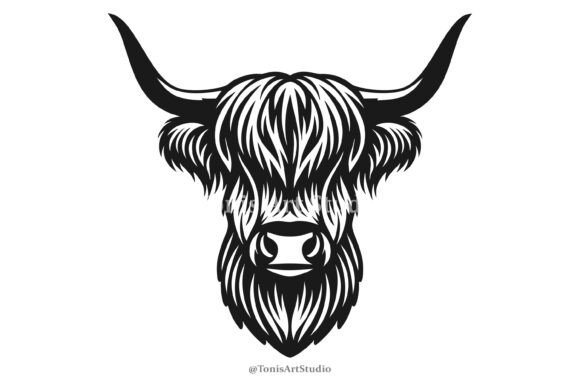
Highland Cow SVG Design: A Countryside-Inspired Embroidery File
Where This Design Shines
- Tote Bags: The design’s scale and detail level work well on medium to large-sized cotton or linen bags.
- Sweatshirts & T-Shirts: When used on thicker fabrics like fleece or heavy cotton, the stitch density holds up beautifully.
- Wall Art & Aprons: The graphic style lends itself naturally to embroidered patches or stitched wall hangings, offering both visual appeal and durability.
- Holiday and Wedding Gifts: The design adds a meaningful, seasonal touch when paired with other motifs or text elements.
Use with Caution: Key Considerations
Small Hoop Sizes: If you’re working within tight hoop constraints, consider resizing or simplifying the design. Some of the finer details may get lost or distorted if not properly scaled down.
Textured and Stretchy Fabrics: On garments with stretch, like knits or performance wear, stitch tension can become tricky. Similarly, textured fabrics may cause some of the intricate lines to appear uneven after stitching. Always test the design on a sample piece before committing to a full production run.
Dark Fabric Backgrounds: The thread colors provided may not contrast enough on darker bases. I recommend experimenting with black or white thread alternatives, or using metallic shades to enhance visibility and dimension.
Curved Surfaces: Placing the design on curved items such as caps or hats requires extra precision. The shape of the cow head might need slight adjustments to fit the contour smoothly.
Frequent Use Items: Products like kitchen towels or aprons that undergo regular washing should be treated with stabilizer to prevent distortion over time. Also, inspect the dense stitch areas to ensure they won’t pucker or pill after repeated laundering.
Design Notes for the Detail-Oriented Crafter
- Always test on scrap fabric first: Especially if you're adjusting size or changing thread colors.
- Check thread color contrast: Ensure it complements your fabric choice and doesn’t fade or blend too much.
- Review stitch density: Areas with high fill stitch coverage may need thinning for delicate or stretchy fabrics.
- Confirm hoop size: Larger versions of the design may require a bigger hoop than standard ones.
- Inspect small details: Zoom in on the SVG to check for tiny lines or shapes that might not stitch cleanly at smaller sizes.
- Test in black and white mockups: This helps visualize how the design will look with single-color threads or on monochrome projects.
- Compare light and dark backgrounds: See how the design behaves visually and adjust accordingly for optimal contrast.
- Use proper stabilizer: Backing and/or cutaway stabilizers can make all the difference in achieving clean edges and preventing puckering.
- Verify licensing terms: Before selling finished products or digital files, confirm whether the design allows commercial use.